
Timeline
Feb 2026 - Mar 2026
Role
Industrial Design
Work
Product
Physical Computing
Tools
Solidworks
Keyshot
Vizcom
3D printing
This project imagines a future underwater society shaped by constant emergency conditions, reframing new problems, systems, and user experiences within this environment. The alarm system centers on human interaction and control, featuring three adjustable levels that enable users to respond to varying degrees of urgency.
Scenario
The intention of this project was to imagine a futuristic underwater society, identify the possible threats within that world, and design an emergency alarm system that responds to its environment. A crucial aspect of the alarm was that it had to be activated by humans, which required developing a design system and visual language that could integrate the story, the environment, and the physical components into one cohesive experience.
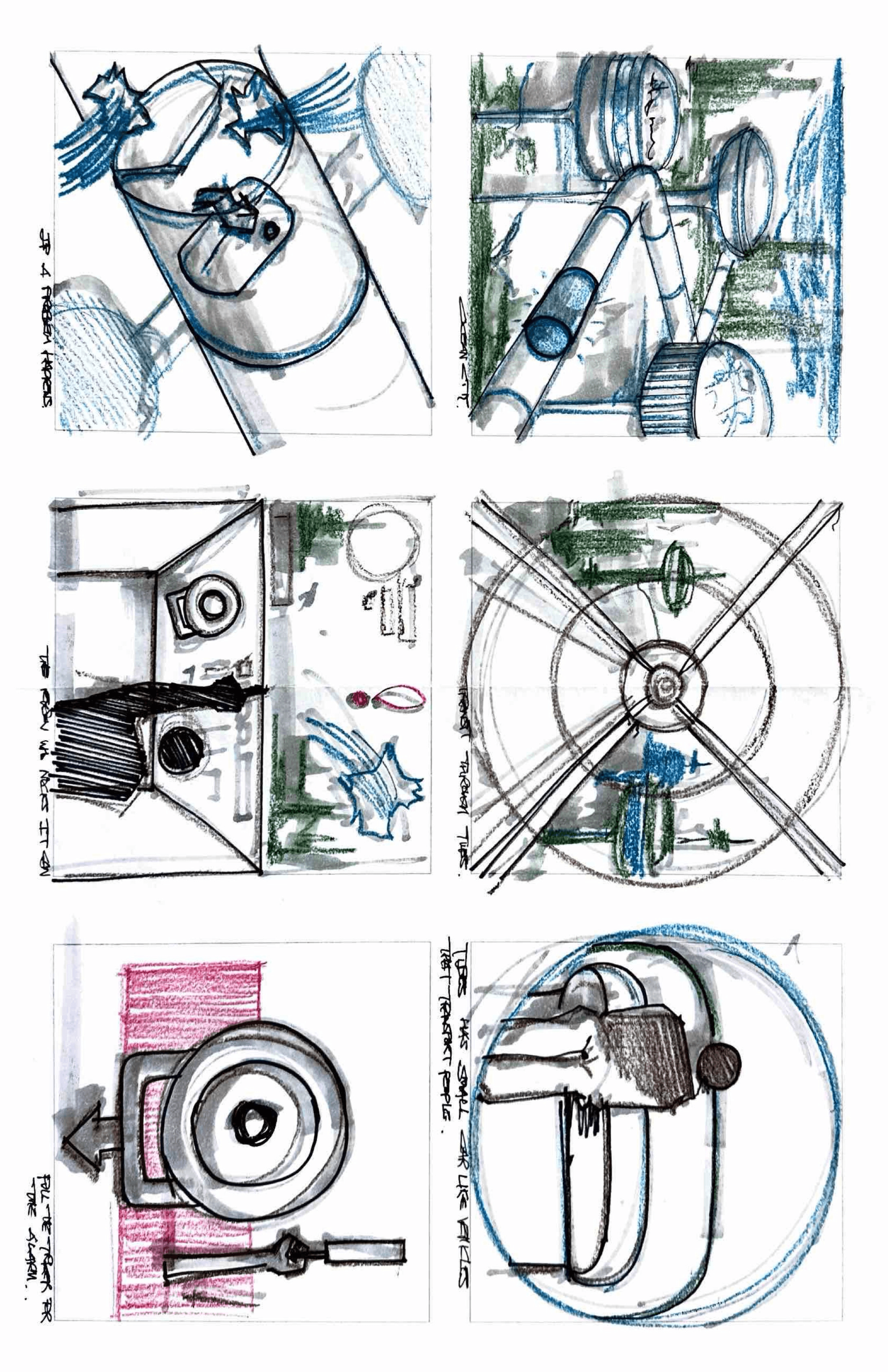
Storyboard of the society created and possible usages of an alarm
Process
The alarm system was designed with three distinct stages, each activated by the user. I explored forms and design languages that clearly differentiate each level while also creating a cohesive system that unifies all three stages into a single, integrated design.
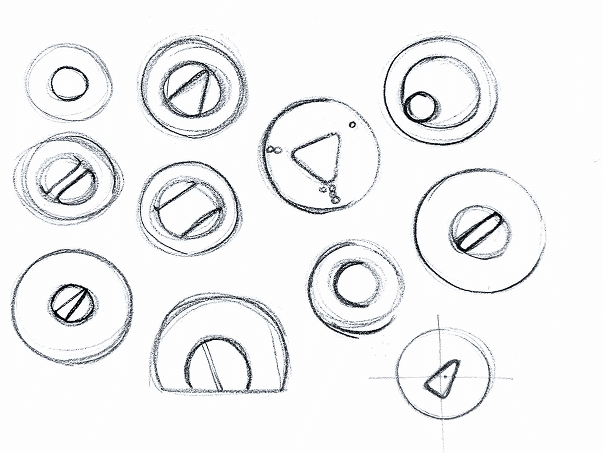
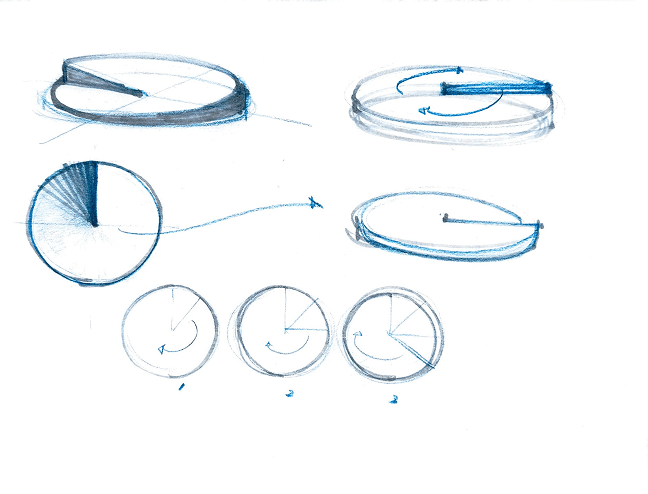
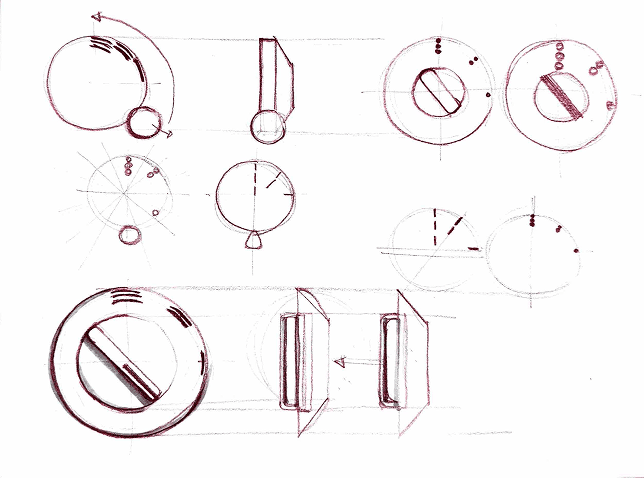
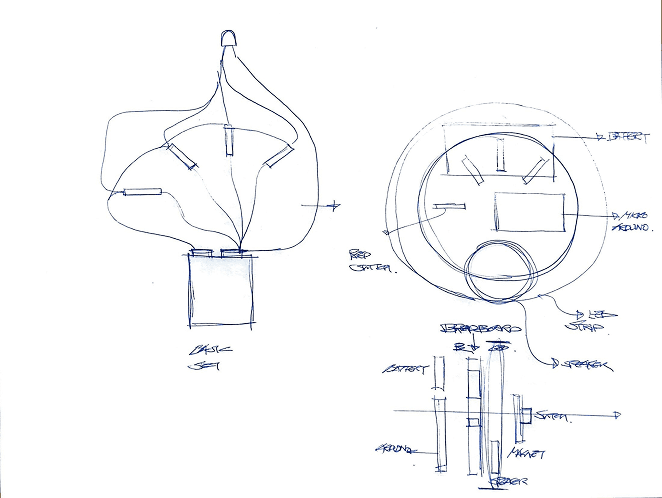
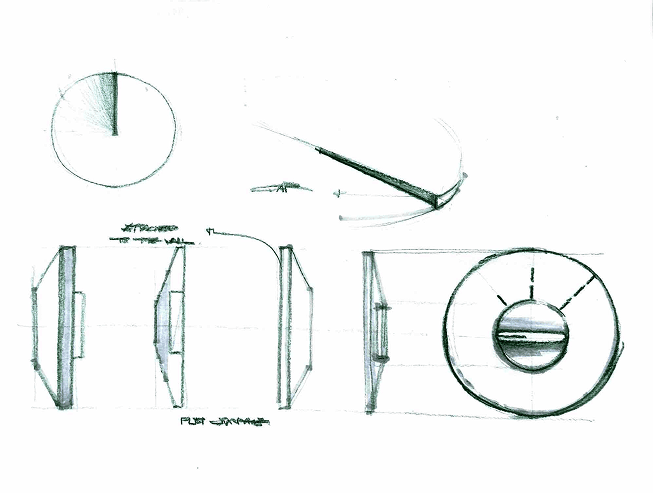
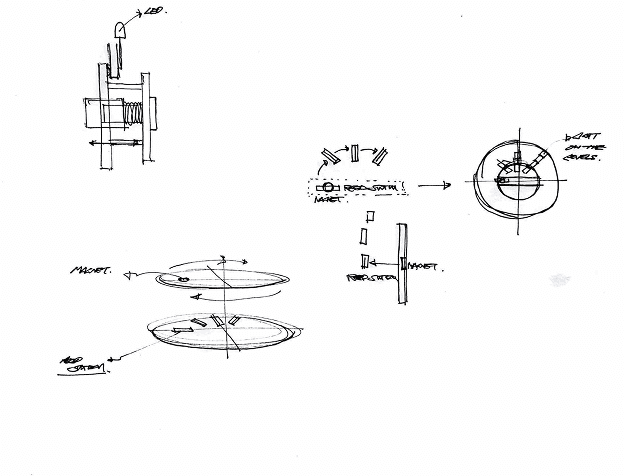
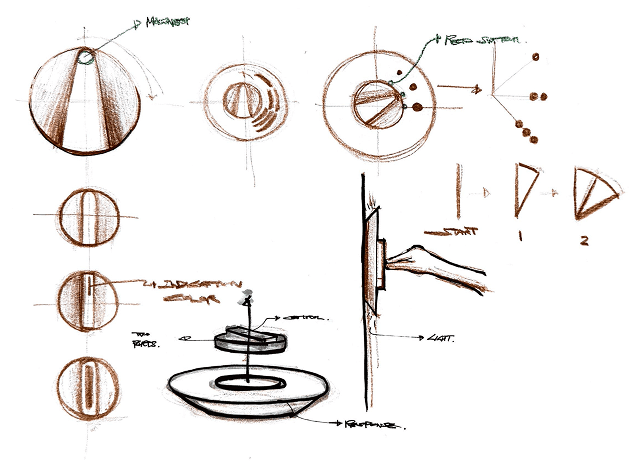
Sketches of possible alarm designs and functionality
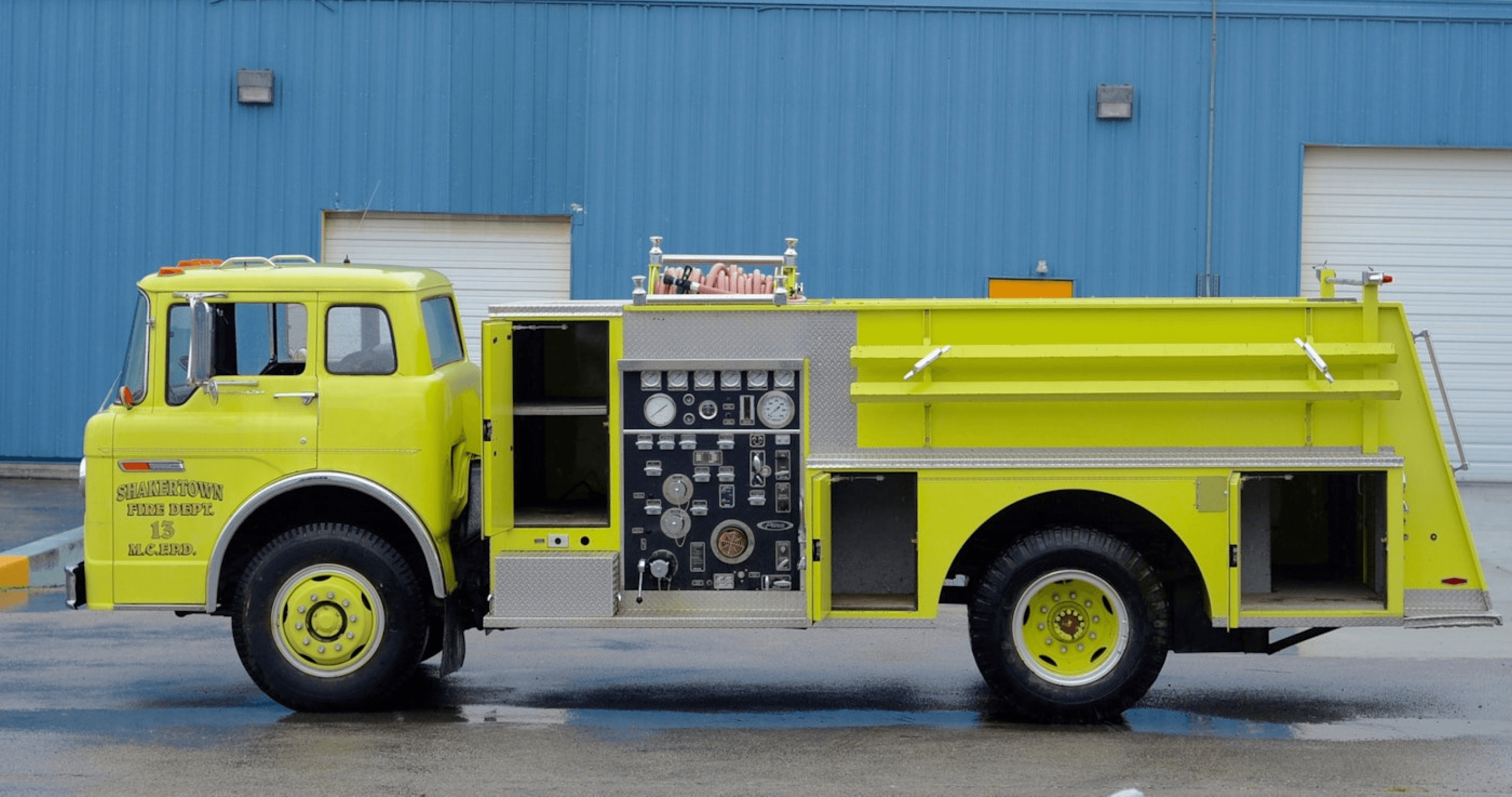
Color choice for CMF and emergency indication: Chartreuse, selected for its high visibility in underwater environments
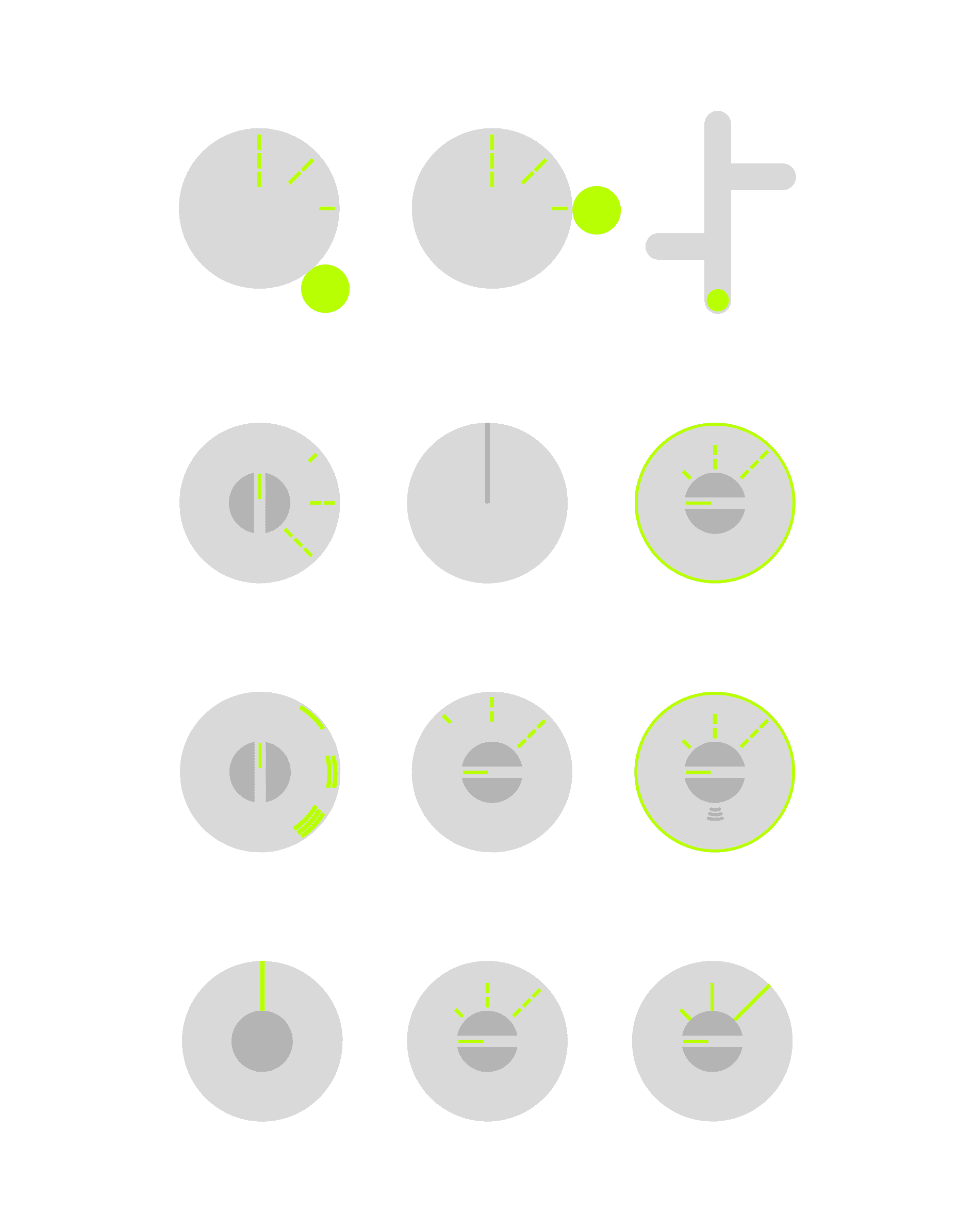
Variation of alarm designs
I focused on creating an interaction that is intuitive, easily identifiable, and familiar to users. Through this process, I narrowed the concept down to a rotational mechanism, leveraging a form of interaction that users naturally understand while ensuring quick and reliable activation in emergency situations.
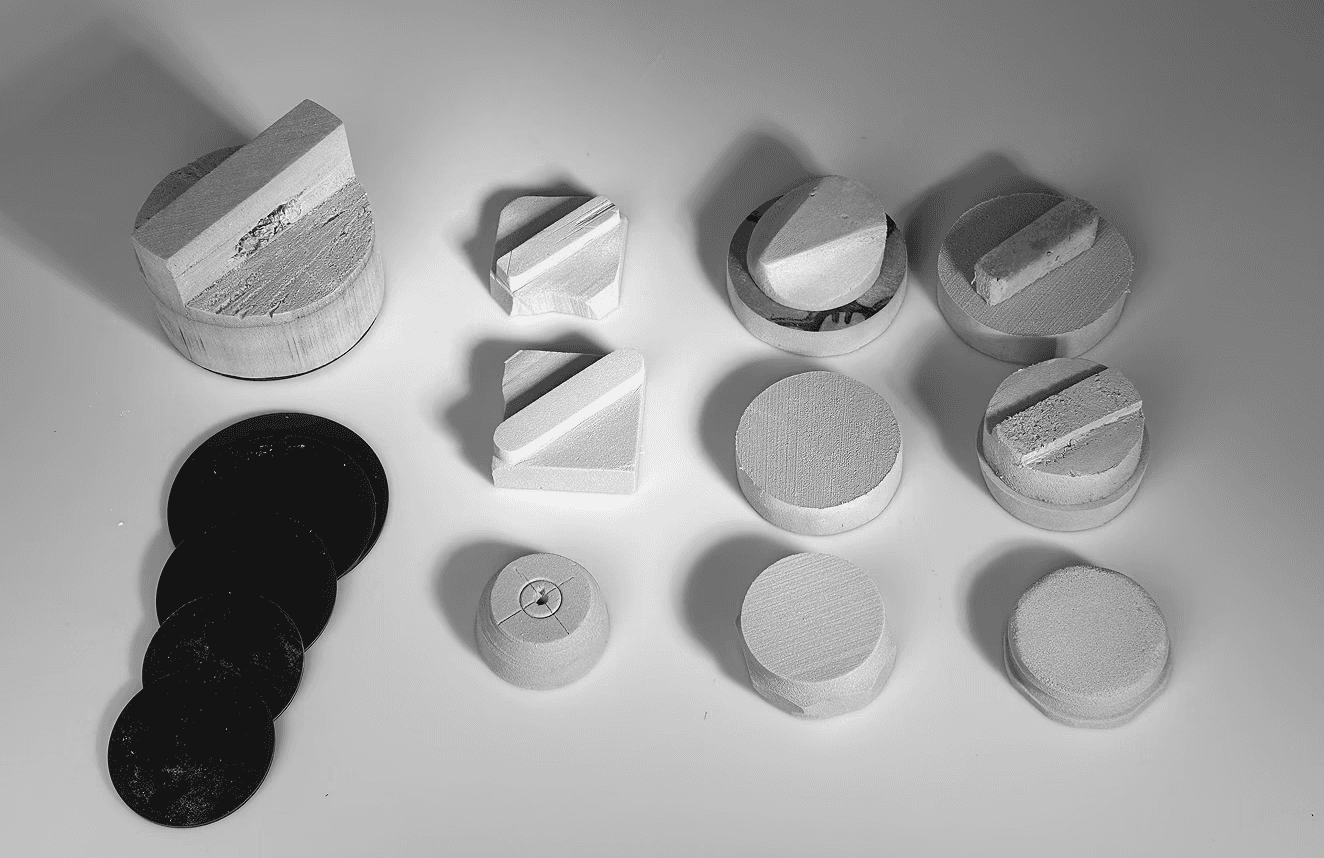
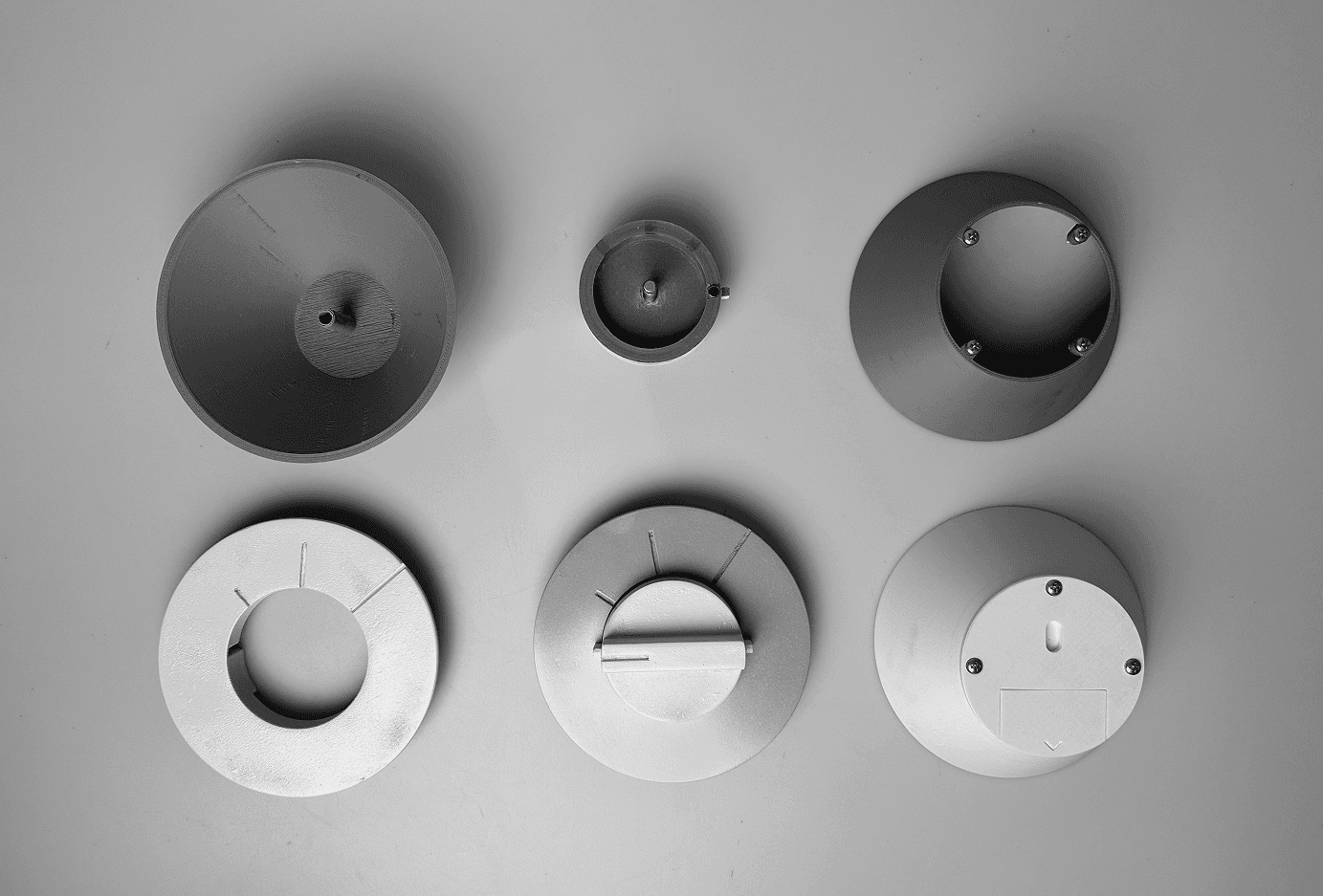
Prototypes
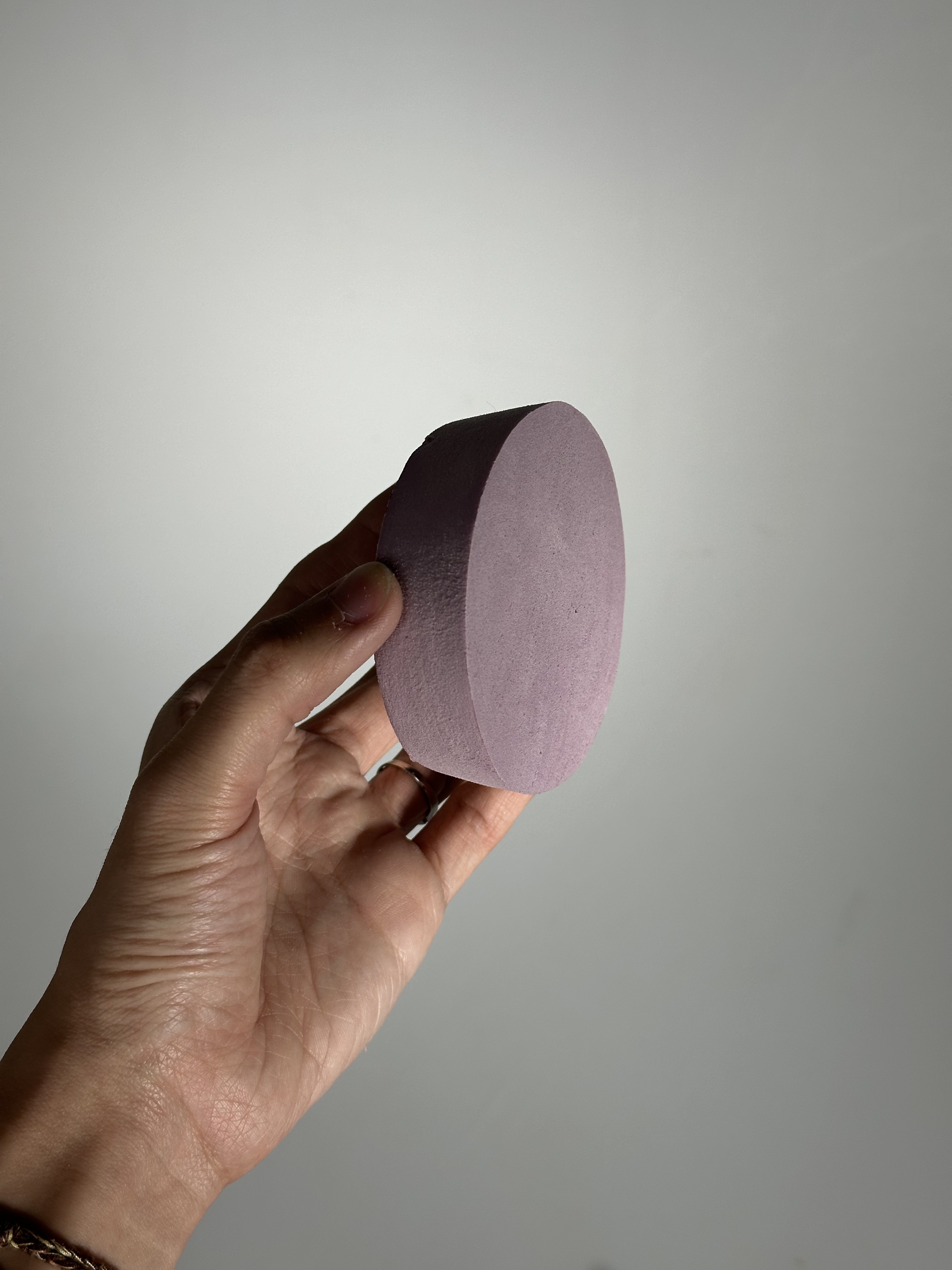
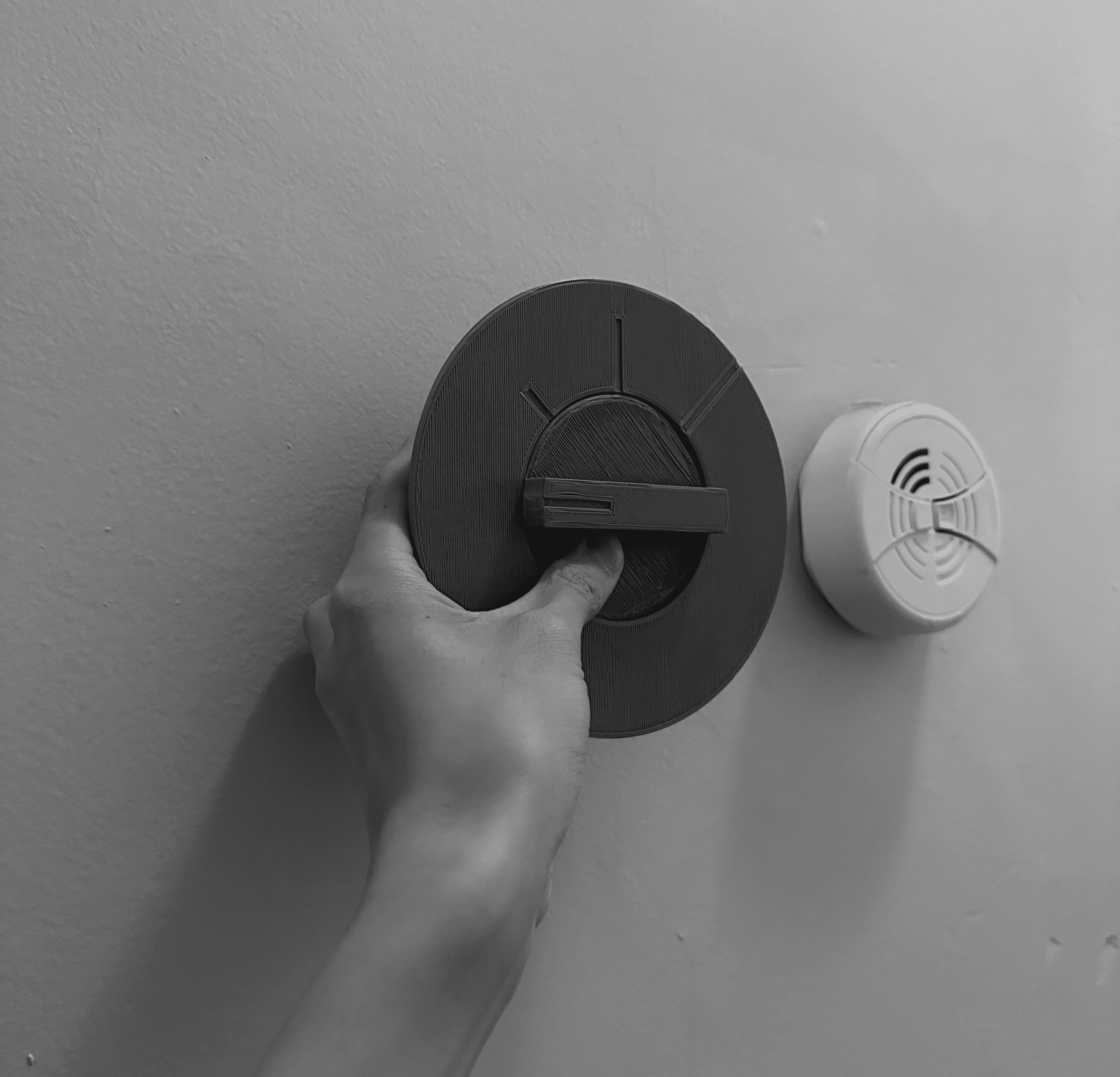
Comparison with automated alarm size and prototyped human interaction alarm
Through multiple iterations, I finalized a push-and-rotate interaction. The user must push before rotating, preventing accidental activation, while each level provides a distinct clicking feedback to communicate changes through haptic sensation.
Technical prototype of blinking lights for each different stages and sound
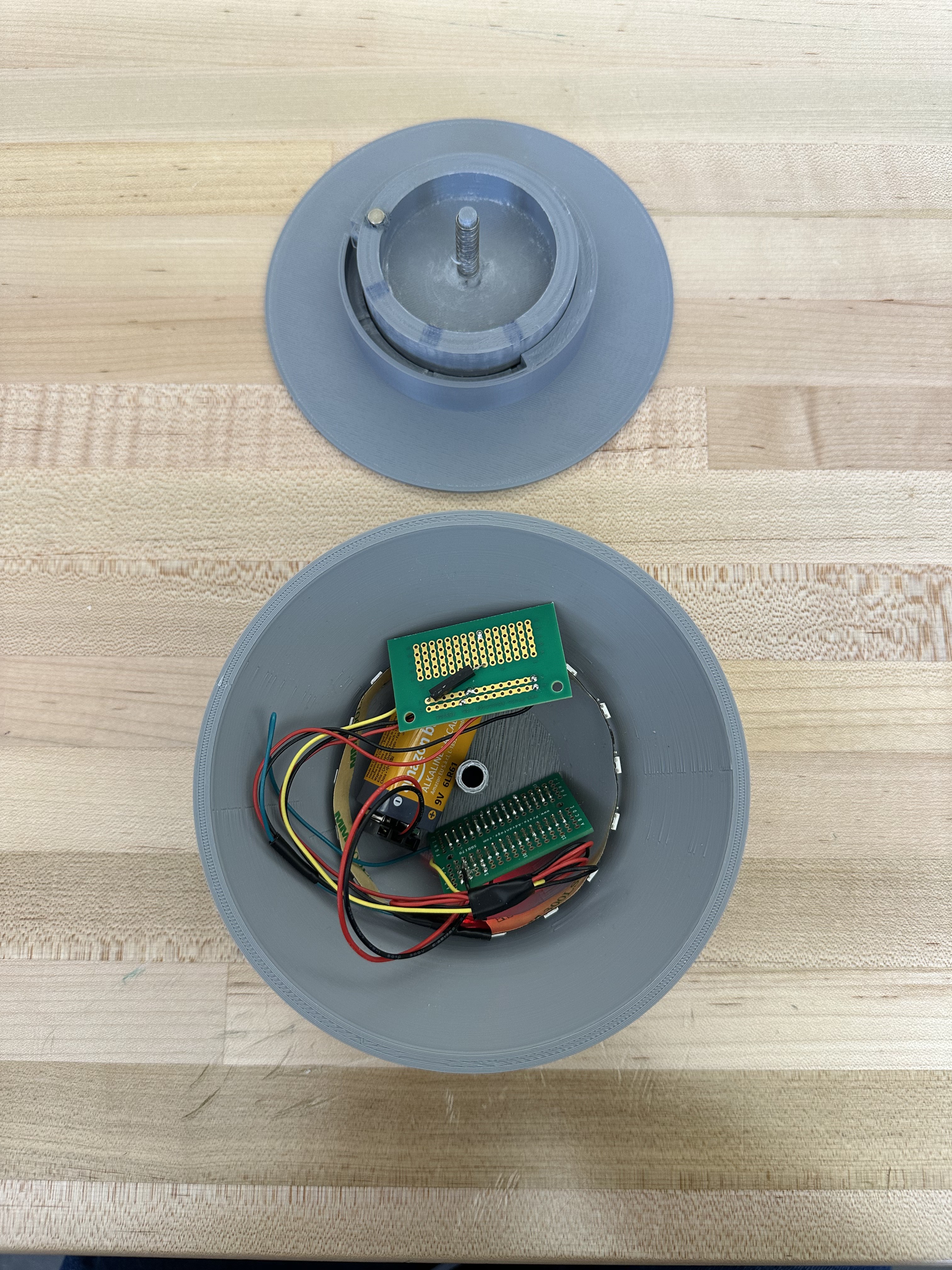
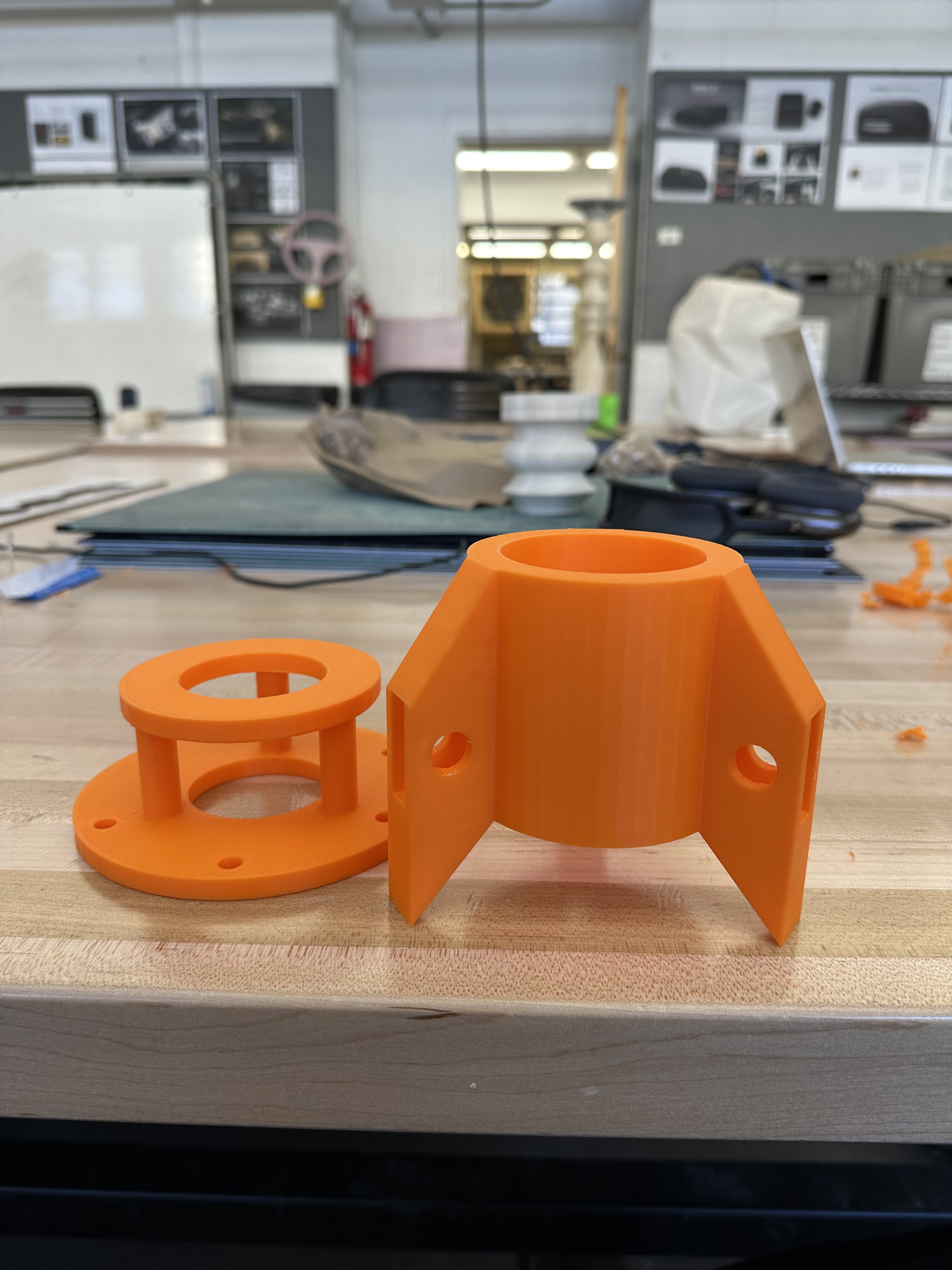
Soldered components were integrated with 3D-printed parts to realize the mechanical design. A spring mechanism enables the push action, while a divot system creates tactile clicking feedback during rotation.
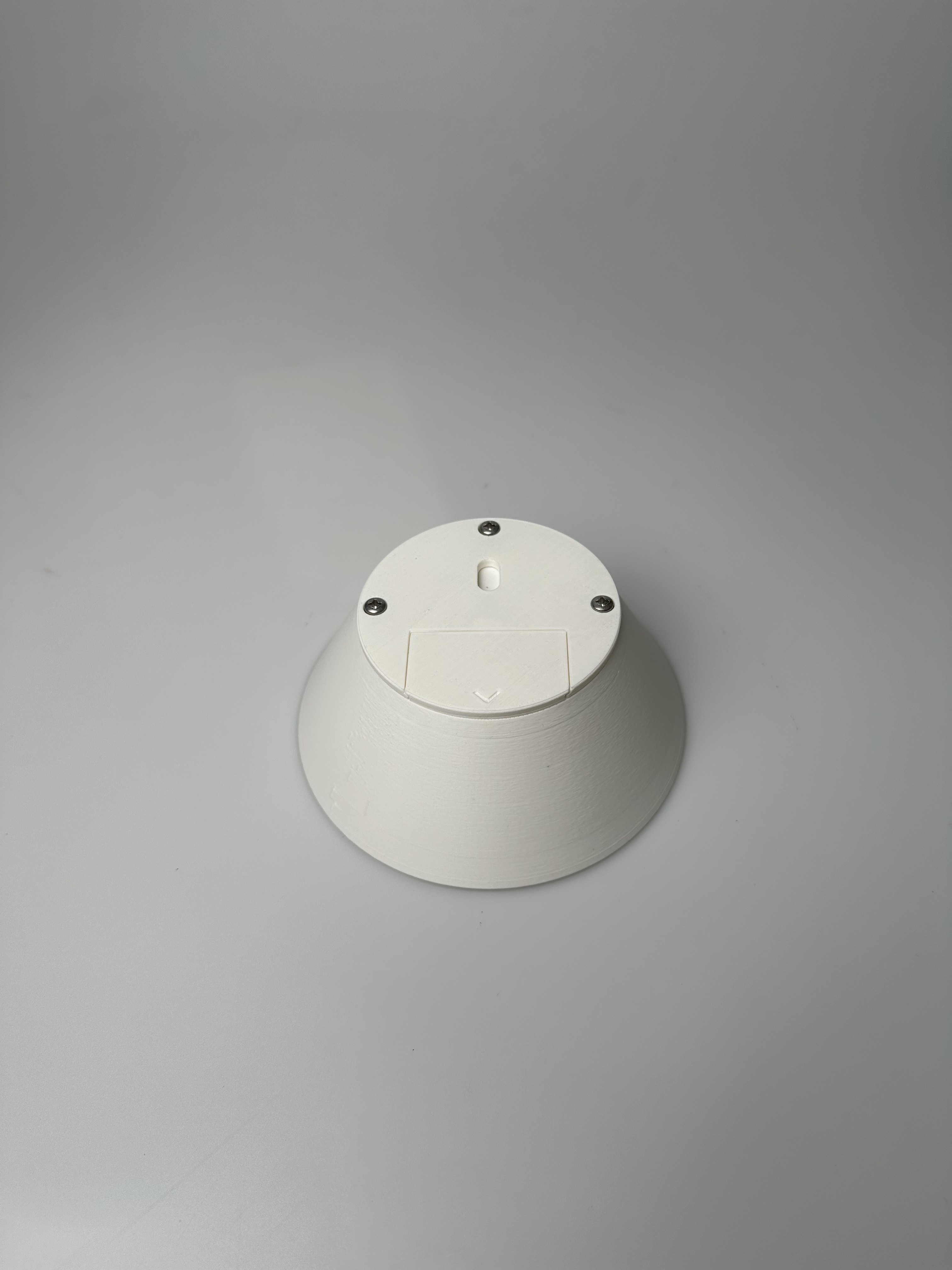
Consideration of surface attachment and battery replacement to support portable use scenarios
Final Product
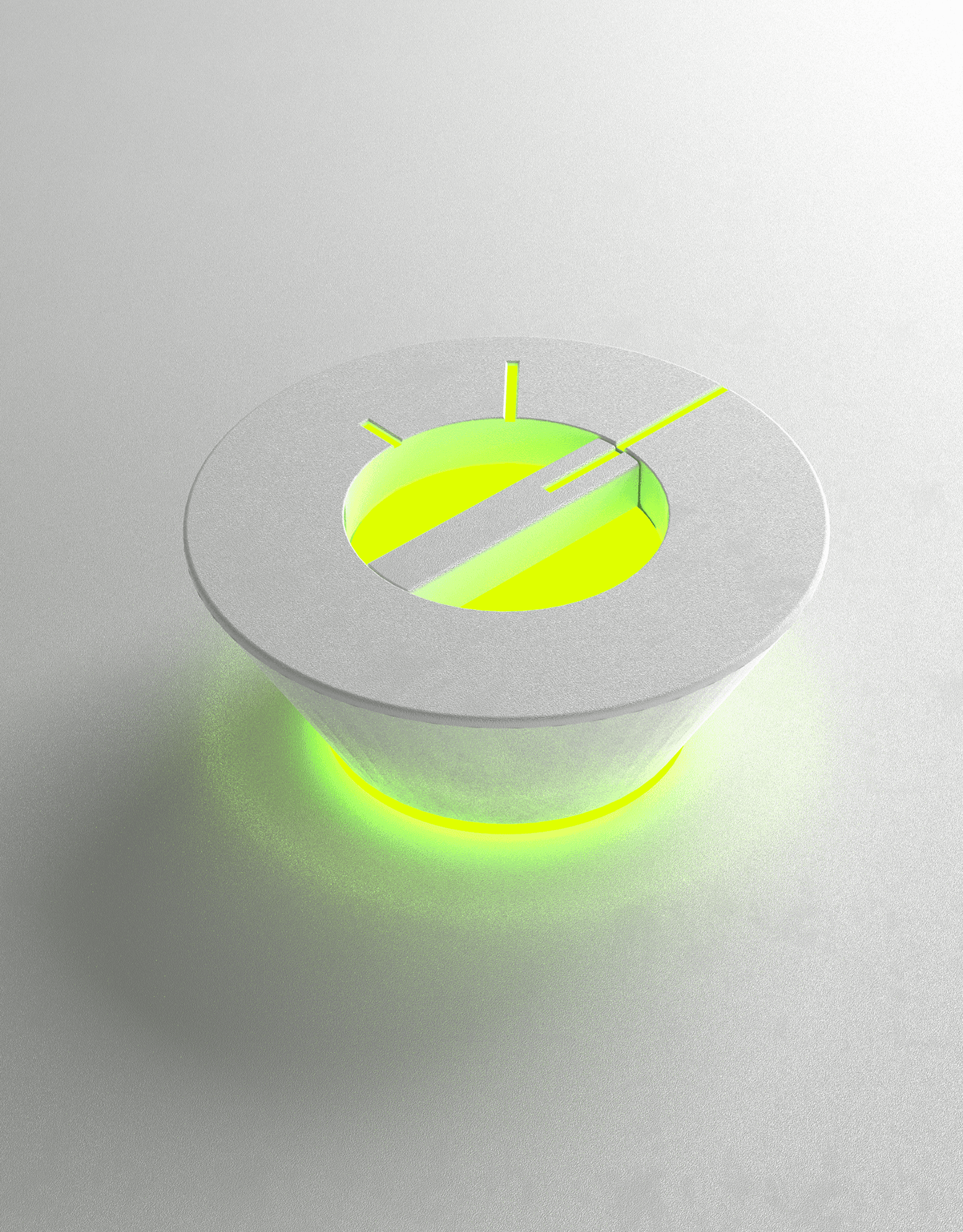
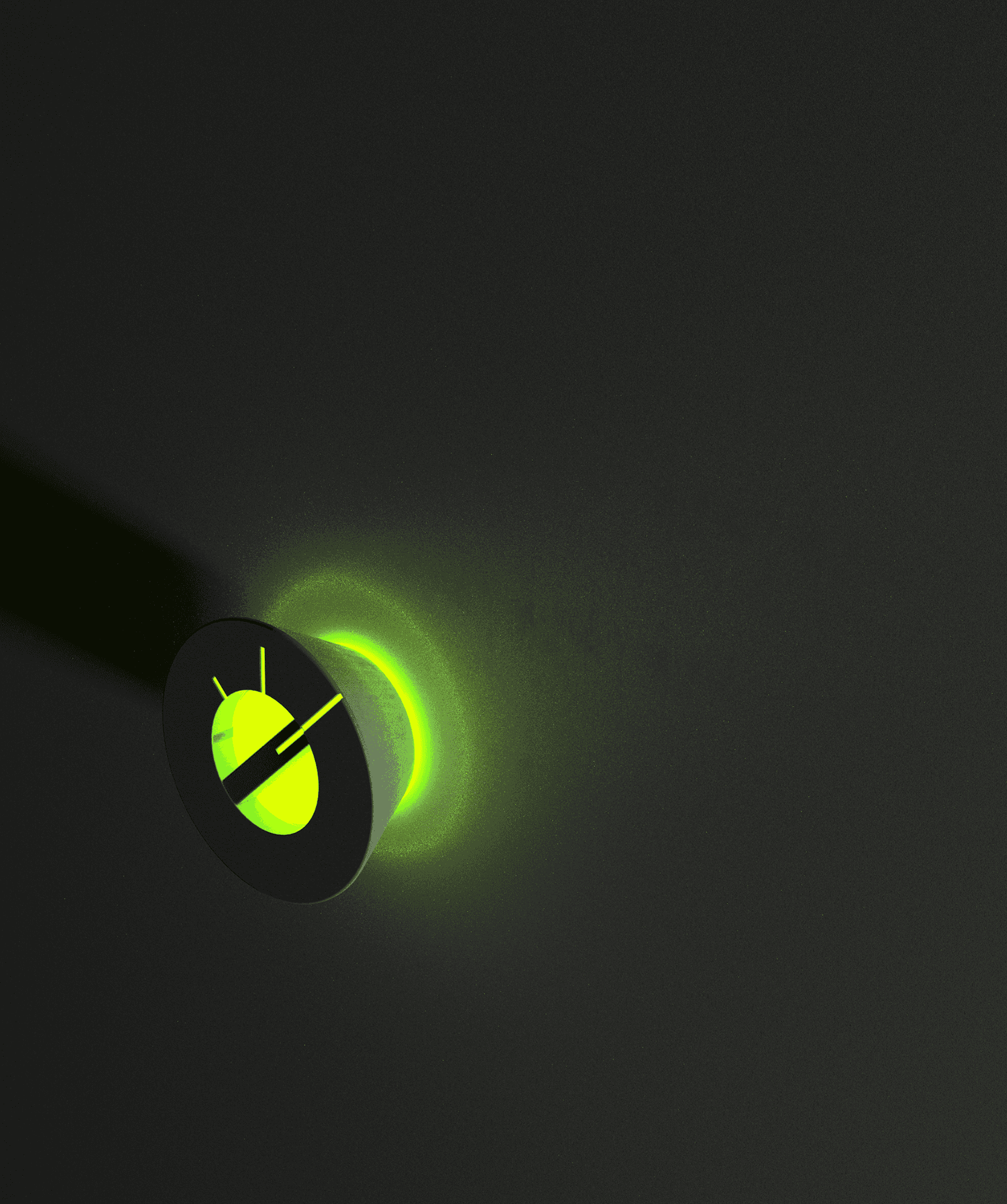
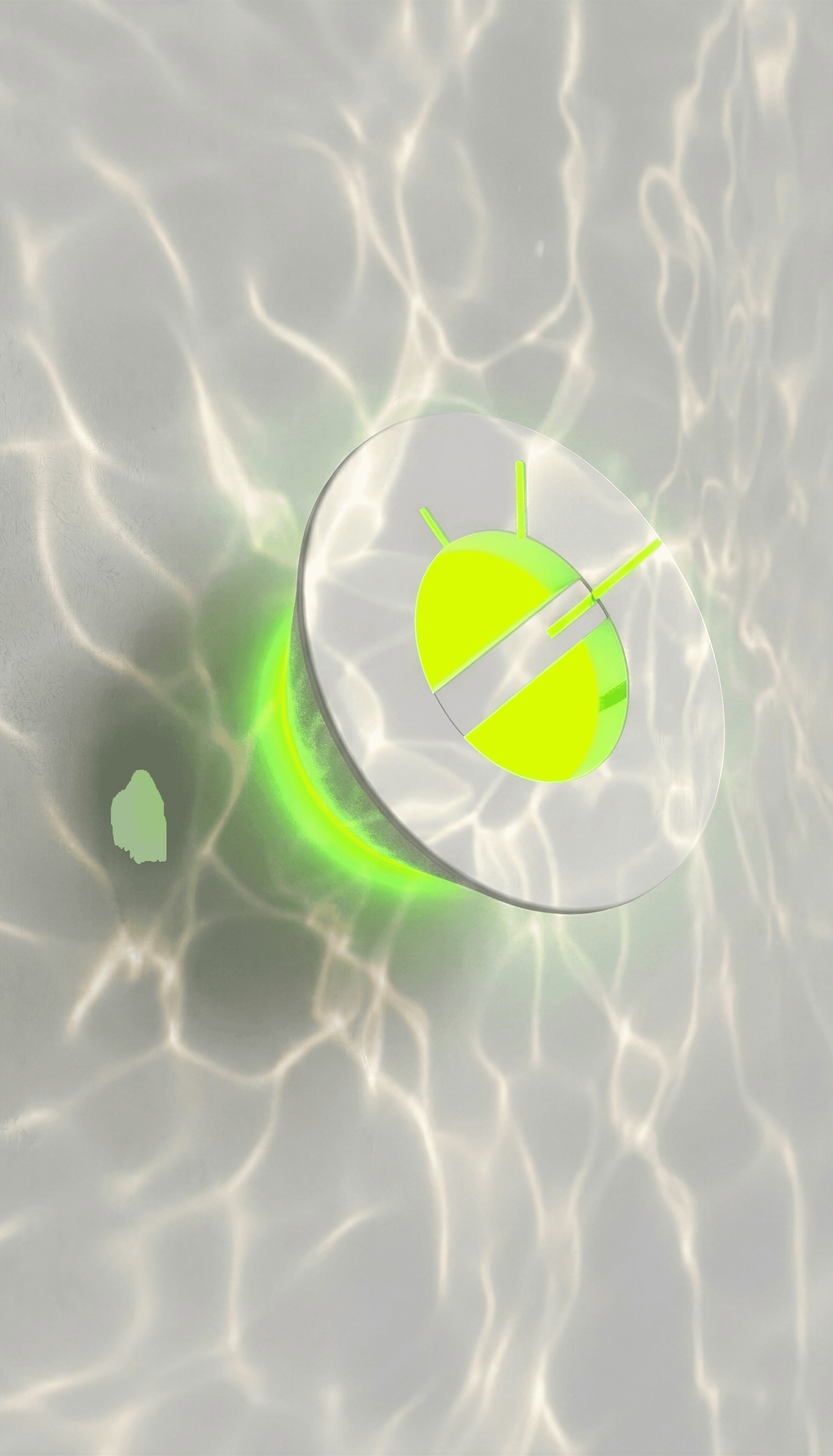
Designed for an underwater society, the emergency alarm emits a strong blinking side light and ambient illumination that spreads across surrounding surfaces for high visibility. Internal lighting and varying signal lengths clearly indicate different levels of urgency.
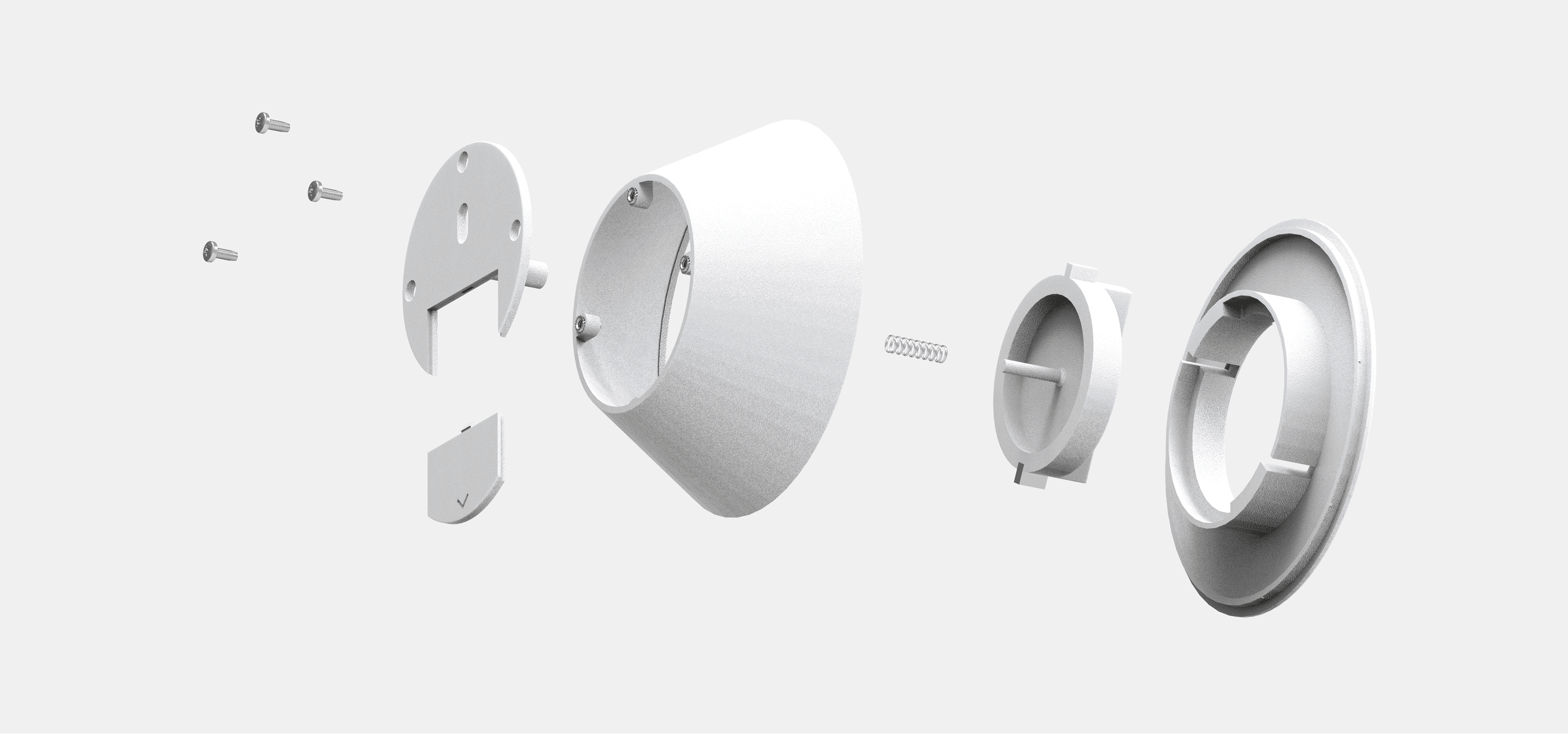
Exploded View of the Product and Mechanical Components
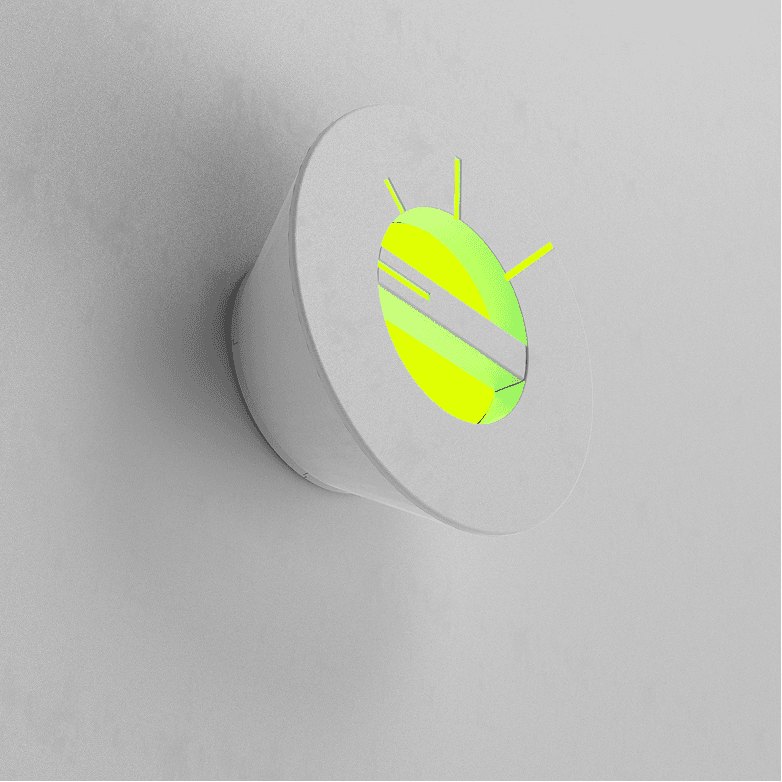
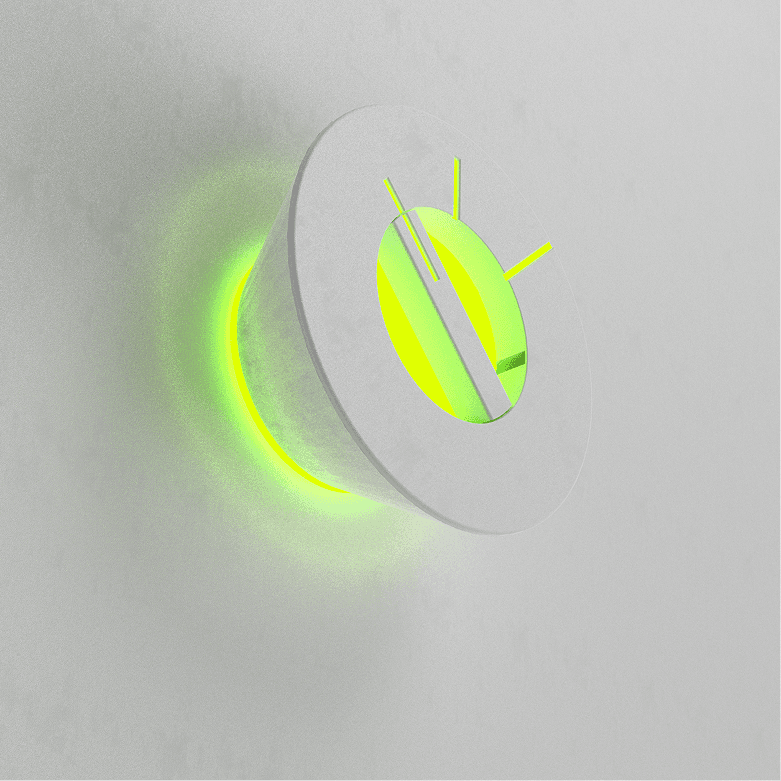
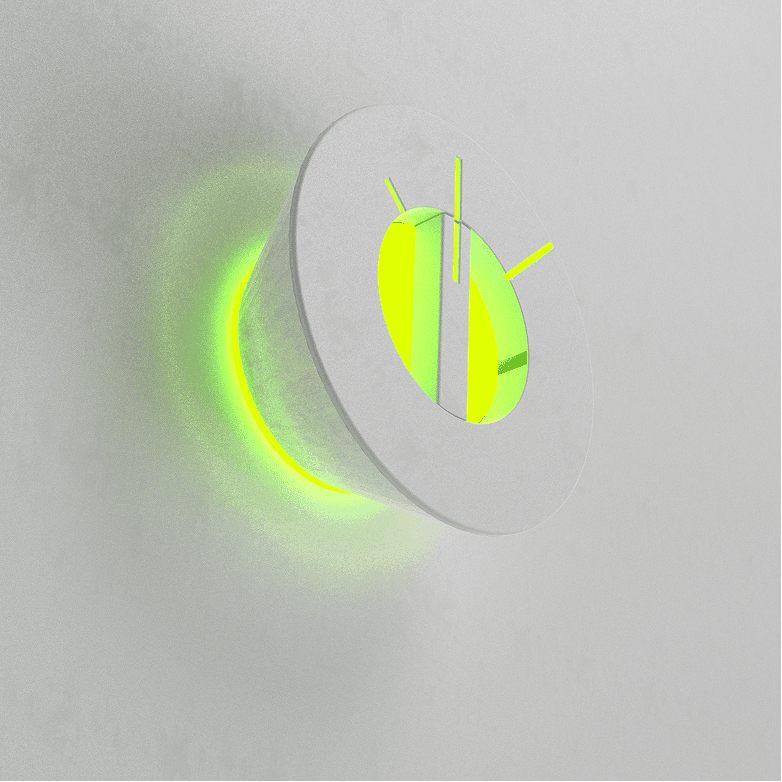
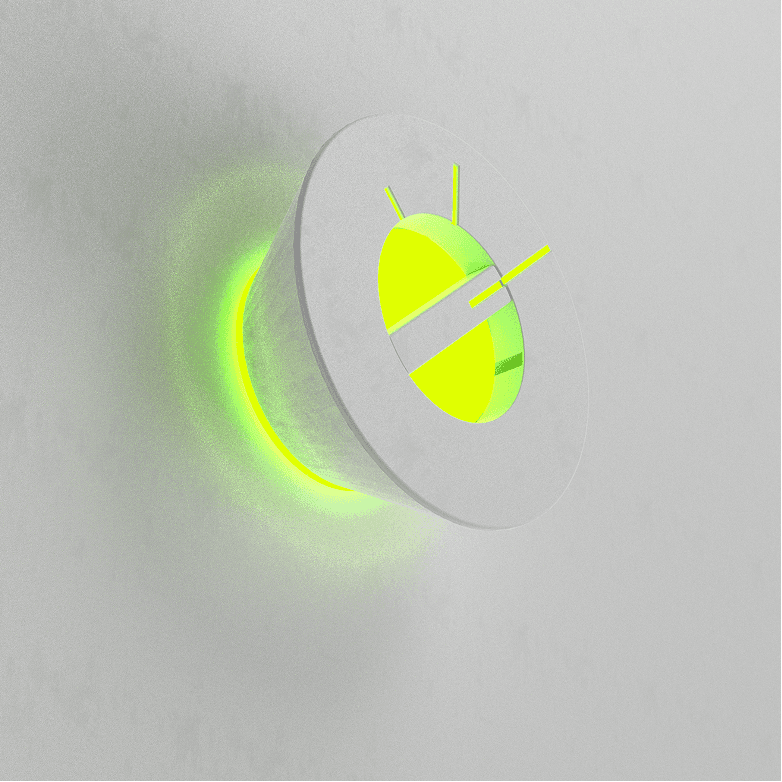
Pushing inward activates the internal light, signaling that the device is ready to rotate. Starting from Level 1, the backlight that spreads across the surface turns on. The indicator line on the knob aligns with the level markings, clearly showing the range for each stage and guiding the user on when to push.
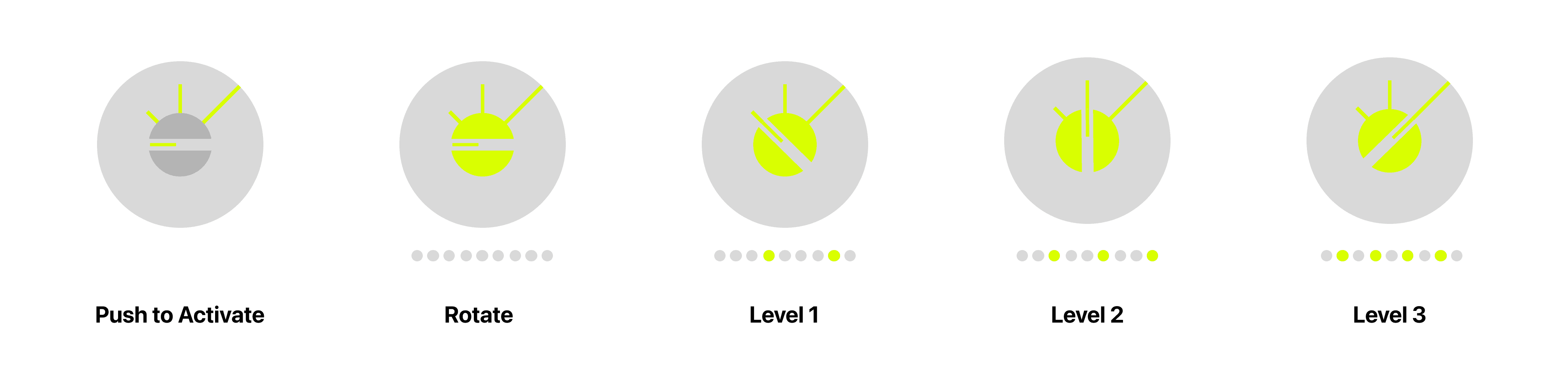
Visual Indicators of Different Levels and Activation Response
3D printed prototype
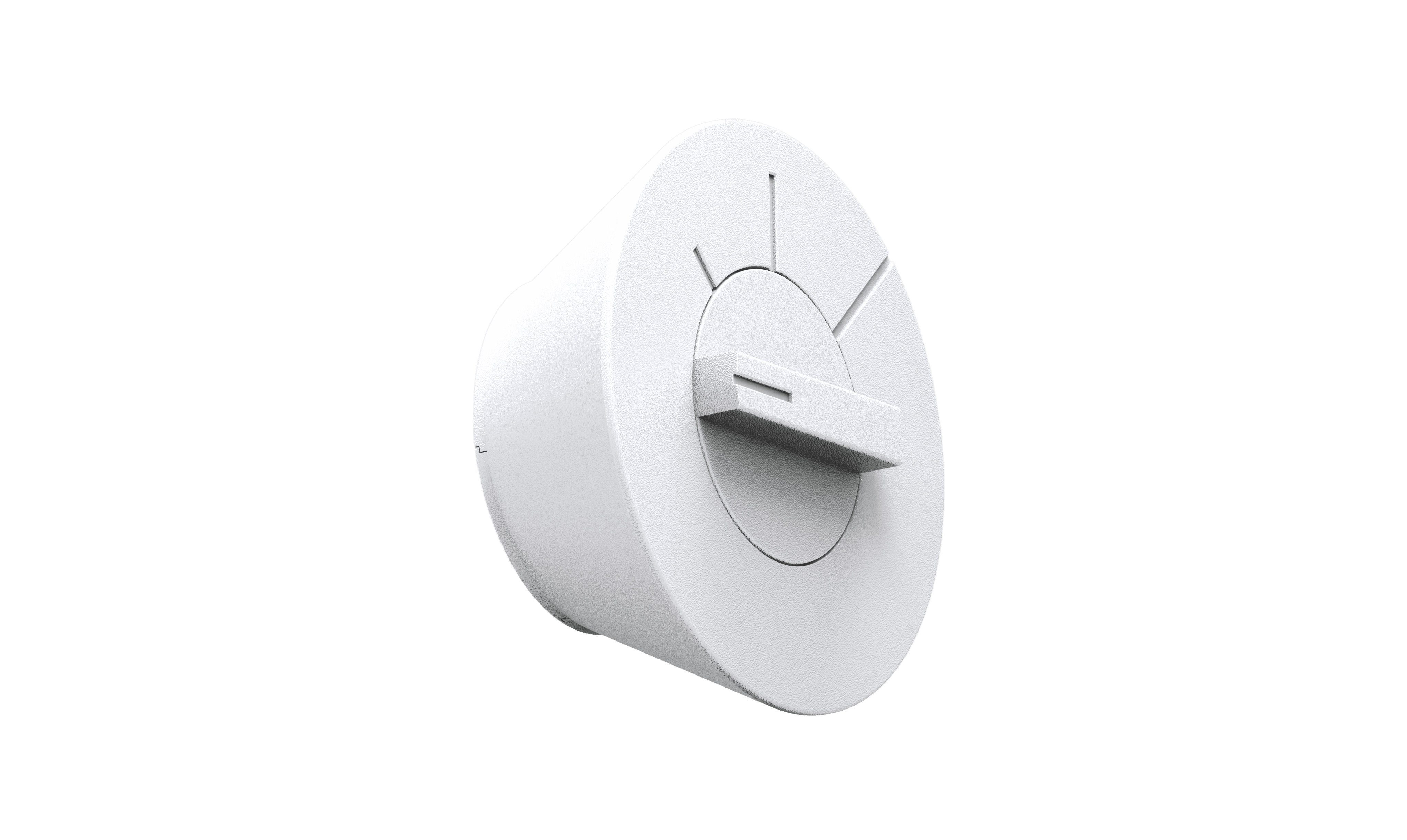
Render of the Basic Product (No Activation State)
Reflection
Through this project, I developed the ability to think through diverse future scenarios and design systems that address them. By using 3D printing and Arduino-based circuits, I was able to prototype more accurately and quickly, allowing me to better visualize the final product and its interactions.